Downsizing and Upsizing
How do I decide how much home I need for my next stage?
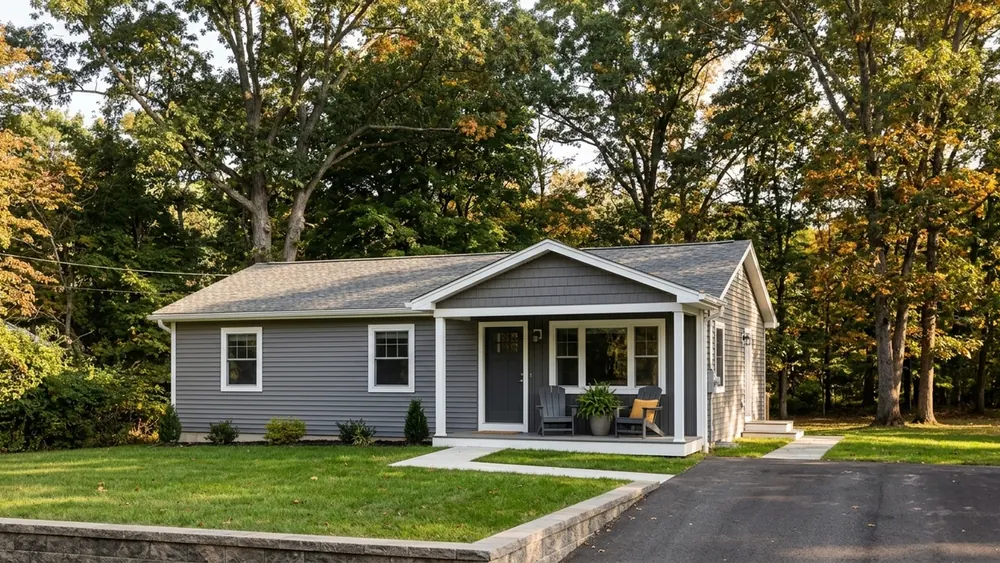
Start with how you actually live now and how you expect to live next, turn that into a written list of rooms, space and upkeep, and compare it with your current home. Bedroom counts and square footage come last, as a check.
On this page
- The short answer on sizing your next home
- Start from how you live, not a room count
- Space you use versus space you maintain
- When the answer points to more home
- When the answer points to less home
- A simple table for sizing your next home
- Reading listings with your size target in mind
- What to bring to a first sizing conversation
The short answer on sizing your next home
Decide how much home you need by starting with how you actually live now and how you expect to live in your next stage, then turning that into a written list of rooms, space and upkeep. Compare that list with the home you have. The gap, whether it points to more space or less, tells you which direction to move and which homes are worth seeing. Square footage and bedroom counts come last, as a check rather than a starting point.
This matters because size is easy to misjudge from a listing. Two homes with the same bedroom count can feel very different, depending on layout, storage and how the rooms connect. A home that looks right online can feel cramped in person, or carry more upkeep than you expected. Working from your own list of needs keeps you from being pulled toward a number on a listing instead of toward a home that fits how you live.
It also connects back to the house you own. Around Mount Olive, a comparative market analysis, which is a study of recent sales of homes similar to yours in size, age, lot, condition and section of the township, shows what your current home compares with. Knowing that range, along with guidance from a lender on what fits your finances, helps you set a size target that is realistic as well as comfortable.
Start from how you live, not a room count
The most useful first step is a plain description of an ordinary week in your home. Which rooms do you use every day? Which rooms are mainly storage? Where do people gather, and where do you work, cook, read or rest? Writing this down often shows that a few rooms carry most of daily life while others sit unused, or that you are short on a kind of space that a bigger room count would not fix.
Then think about your next stage in the same terms, without assuming anything about it from the outside. Your next stage is yours to define. It may mean more room for work or hobbies, or less space to clean and heat. It may mean a different kind of yard, or none at all. Describe the week you expect, and compare it with the week you have now. The differences between the two are your real sizing needs.
Let’s start with how you actually use your home, not the bedroom count on a listing. When the list fits your life, the right size becomes much easier to see.
Space you use versus space you maintain
Every room you own is also a room you heat, clean and repair. When deciding how much home you need, weigh the space you use against the space you maintain. A larger home can make sense when the rooms earn their place, and a smaller one can make sense when the upkeep outweighs the use. Neither is right on its own. The question is how much space you want to be responsible for in your next stage.
The same thinking applies outside. A lot brings yard work, driveway clearing in winter, and exterior upkeep like the roof, siding and drainage. Some people want a large usable yard, and others would rather have very little. Be honest about how much exterior work you want to do yourself or pay someone else to do. A licensed home inspector can help you understand the condition and likely upkeep of any home you are considering.
Layout affects upkeep, too. Stairs, multiple levels and long hallways change how a home is used and maintained. Main living space on one level suits some households, while others prefer separate floors for different uses. These are preferences, not rules. Write down which layouts you have lived in comfortably and which have frustrated you, because that history is often the clearest guide you have to the next home.
When the answer points to more home
If your list shows that you need more space, be specific about what kind. More bedrooms, a larger kitchen, a room for work, a bigger yard and more storage are very different needs, and a home that solves one may not solve another. Rank the needs in order of importance. Then you can compare homes on the features that matter to you rather than on total size, which can hide a layout that still does not fit.
Moving up in size often depends on the figure your current home brings, so the comparative market analysis matters even more. A lender can explain how your sale and your next purchase fit together, and a New Jersey real estate attorney can explain how a contract handles timing. When you know your range and your limits, you can search Budd Lake, Flanders or the wider township with a target that fits both your list and your finances.
When the answer points to less home
If your list shows that you need less space, the work is deciding what you can comfortably leave behind. Smaller does not have to mean less comfortable. The goal is a home where the space you keep matches the space you use, with room for the things that matter to you. These questions help sort that out before you start viewing smaller homes in person.
- Which furniture pieces you will keep and whether they fit smaller rooms
- How much storage you need after belongings have been sorted and reduced
- Whether you still want a guest room, a workspace, both or neither
- How much yard and exterior upkeep you want to keep handling yourself
Answering these early prevents a common surprise: a smaller home that looked right online but cannot hold the things you planned to keep. Measure the pieces you are keeping and bring the measurements to showings. Questions about taxes on the sale of a long-held home, or about estate planning around a move, belong with a tax professional or a New Jersey real estate attorney rather than with a real estate agent.
A simple table for sizing your next home
The table below turns the sizing decision into a few direct questions. Use it with your written description of an ordinary week. For each row, answer the question for your current home and then for the next stage you expect. Where the answers differ, you have found a real sizing need. Where they match, that feature can stay roughly the same in the next home without much more thought.
| Question | Why it matters | Who helps answer |
|---|---|---|
| Which rooms do I use every week? | Separates space you need from space you only store in | You, from your own weekly routine |
| How much upkeep do I want? | Shapes the lot, layout and exterior work you take on | You, then a licensed home inspector |
| What does my current home compare with? | Sets a realistic range for the next purchase | A comparative market analysis of similar homes |
| What purchase fits my finances? | Keeps the size target within your actual limits | A lender |
| Which municipality is this address in? | Taxes and local services follow the municipality | Mount Olive Township or Morris County |
Notice that only some of these questions are real estate questions. The rest belong to you, a lender, an inspector or the township, and each answer narrows the search a little more. Filling in the table before you look at listings means that when a home appears in your search, you can judge it against needs you have already worked out rather than against first impressions from photos.
Reading listings with your size target in mind
Listings describe size in ways that do not always match how a home lives. A bedroom count says nothing about closet space, and total square footage may include space you would not use. Read the floor plan if there is one, and look at how the rooms connect. Compare each listing with your written list rather than with the last home you saw, so the search stays anchored to your own needs.
Remember that mailing names shape how homes are found. A home listed under Budd Lake, Flanders or a Hackettstown mailing address may sit in Mount Olive Township, and the municipality matters for taxes and services. Confirm it on the tax record before you rely on a listing’s location. Debbie shares section-by-section snapshots for Budd Lake and Flanders, which can help you see how listings in each section move over time.
What to bring to a first sizing conversation
Before a first conversation, gather your written description of an ordinary week now and the week you expect in your next stage. Add your ranked list of needs, the measurements of furniture you plan to keep, and the completed table above. Include any guidance a lender has already given you, and note the municipality on your current home’s tax record. Those pieces turn a vague sense of more or less space into a target you can search with.
When you are ready, bring that list to Debbie. You will look at your current home, the right comparisons and the homes that fit your target together, one step at a time. There is no obligation in starting with a conversation, and nothing is priced until it has been built from evidence. Which room in your current home tells you the most about the size you really need?
This article is general information about buying and selling homes in Mount Olive Township and northern New Jersey. It is not legal, tax, lending, appraisal or inspection advice and does not predict prices or promise results. Confirm taxes, schools and boundaries with Mount Olive Township and Morris County, contracts and closing with a New Jersey real estate attorney, loans and closing cost amounts with a licensed lender, and condition with a licensed home inspector. Debbie McIntosh, Weichert, Realtors.

Written by