Buyers
What closing costs should I plan for as a first-time buyer in northern New Jersey?
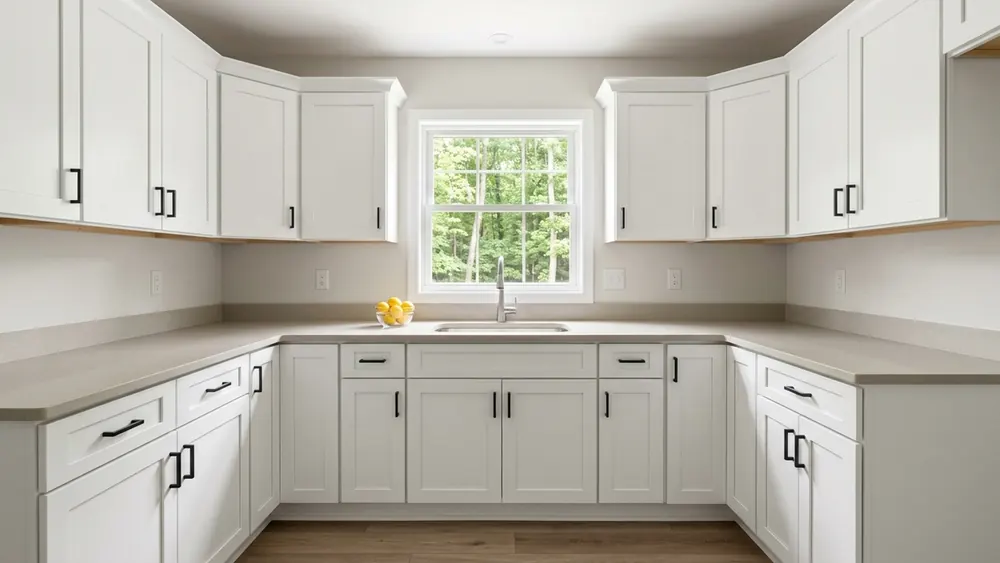
Plan for closing costs in four broad categories: lender fees, title charges, attorney fees, and prepaid taxes and insurance. Amounts vary by loan and property, so ask your lender for a written estimate early and review it with your attorney.
On this page
What closing costs usually include for buyers
As a first-time buyer in northern New Jersey, plan for closing costs in a few broad categories: lender fees, title charges, attorney fees, and prepaid taxes and insurance. The actual amounts depend on your loan, the property and the professionals you work with. So the most useful early step is simple. Ask your lender for a written estimate, then review it with a New Jersey real estate attorney before you settle on a price range.
This matters because closing costs sit apart from the purchase price and the down payment. Many first-time buyers focus on the price of the home and the monthly payment, then learn about the rest late in the process. Knowing the categories early lets you set cash aside, compare estimates calmly and ask questions while there is still time to adjust your plans. It also keeps the numbers from steering you into a home that stretches your budget further than you planned.
This article explains the categories and who to ask about each one. It does not give amounts, loan advice, tax rules or legal steps. Those vary from one purchase to the next, they change over time, and they belong to your lender, your attorney, a title company and an insurance agent. Think of what follows as a question list, not a set of answers. Bring each question to the person who can answer it for your own purchase.
The main categories to plan around
It helps to think of closing costs as groups of charges, each tied to a different part of the purchase. Grouping them shows you who sets each charge and who can explain it. A written estimate from your lender will usually break the costs into separate lines. Use the list below to sort those lines as you read, and circle anything you do not recognize. A circled line is not a problem. It is simply the next question to ask your lender.
- Lender fees tied to setting up and processing your loan
- Title charges for searching the property’s records and insuring the title
- Attorney fees for the legal review of your purchase
- Prepaid property taxes and homeowners insurance that may be due at closing
Questions to ask before you make an offer
Before you write an offer, take a short list of questions to the people who actually set these costs. Asking early gives you time to compare answers and, if needed, adjust the homes you tour. You do not need to understand every charge yourself. You only need to know who can explain it, and to write down what they told you and when. Keep those notes together, because the same questions tend to come up again near closing.
- Ask your lender for a written estimate of closing costs for your loan
- Ask your lender which charges could change between the estimate and closing
- Ask a New Jersey real estate attorney what the legal review covers
- Ask a title company what its charges include for the home you choose
- Ask an insurance agent for a homeowners insurance quote on a specific address
Why the property itself changes the estimate
Closing costs are not one figure for a whole region. Some depend on the loan, some depend on the property, and some depend on the municipality. Property taxes follow the municipality on the tax record, not the mailing name. Around Mount Olive, a listing can say Budd Lake, Flanders or Hackettstown and still sit in Mount Olive Township, so check the municipality before you think about prepaid taxes. The township and county offices can confirm it for the exact address.
Insurance works the same way. A quote depends on the specific house, including its age, condition and features, so an older home and a newer one can lead to different quotes. Ask an insurance agent for a quote on the address you are considering rather than relying on a general figure. Ask early, because the answer can affect your monthly budget as well as your cash at closing.
The price you pay can matter too. Some charges may move with the loan amount or the purchase price, while others may stay much the same. Rather than guessing, ask your lender which lines on the estimate change with price and which do not. That lets you see how a different price range might shift the cash you need, without leaning on a rule of thumb. A clear answer here also makes it easier to compare homes at different prices fairly.
Who answers each closing cost question
Every category has an owner. Your lender explains loan charges and provides the estimate. A New Jersey real estate attorney explains the legal review and what the documents mean. A title company explains the title search and title insurance. An insurance agent quotes coverage for the house. Mount Olive Township and Morris County offices hold the tax records. Each answer is only as good as its source, so ask the right one. If you are not sure who owns a question, ask, and someone will point you to the right office.
Debbie works on the real estate side of that picture. That means helping you compare the homes you are considering, checking where each one sits in the township, and building a comparative market analysis, a comparison of similar homes by size, age, lot, condition and section of the township. That comparison helps you judge whether a price lines up with similar homes, which shapes the loan you ask about. Questions about the loan itself stay with your lender.
I would rather you hear about closing costs early and plan for them calmly than meet a surprise line at the closing table. Start by asking your lender for a written estimate.
Assumptions that lead to closing day surprises
One common assumption is that the down payment is the only cash you need. Another is that an online calculator or a friend’s purchase tells you what yours will cost. A third is that the first estimate is final. Each of these can leave you scrambling near closing. Costs vary by loan, property and timing, so ask your lender what could still move. Write down the answer, along with the date you received it.
Another assumption is that the mailing name settles the tax picture. A Hackettstown mailing name can belong to a home in Mount Olive Township, so the name on the listing does not tell you which records apply. Confirm the municipality with the township and county for the exact address. It is a small step, and it keeps your estimate tied to the right office from the start. Every listing you like deserves the same check, even when the mailing name looks familiar.
What to gather before a first conversation
Before you talk with anyone about buying a first home, write down what you already know about your budget and what you still need to learn. You do not need answers yet, and it is fine to have more questions than facts. The aim is to arrive with a clear list, so the conversation goes to the questions that matter most to you. A clear list also makes it easier to see which professional you need to talk with next.
Keep it to one page. Note whether you have a written estimate from a lender yet, and what it shows. Note how much cash you have set aside, separating the down payment from closing costs. List the sections of the township you have been watching, and write down any questions an attorney or insurance agent raised that you have not yet answered. This page becomes the backbone of every conversation that follows.
If you would like help putting the real estate side of that list in order, you are welcome to bring it to Debbie McIntosh. You do not need a lender chosen or a home picked out. Which closing cost category on your list are you least sure about, and who is the right person to ask about it before you start touring homes?
This article is general information about buying and selling homes in Mount Olive Township and northern New Jersey. It is not legal, tax, lending, appraisal or inspection advice and does not predict prices or promise results. Confirm taxes, schools and boundaries with Mount Olive Township and Morris County, contracts and closing with a New Jersey real estate attorney, loans and closing cost amounts with a licensed lender, and condition with a licensed home inspector. Debbie McIntosh, Weichert, Realtors.
Written by